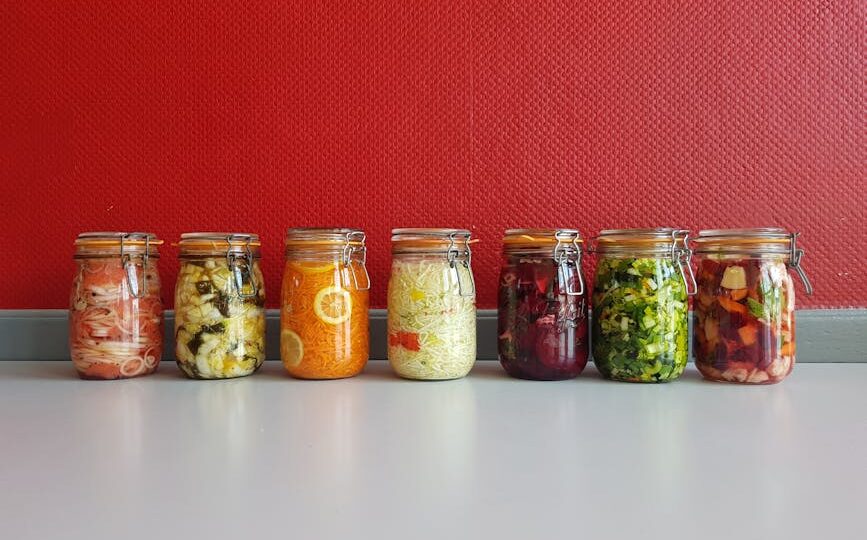
The Renaissance of Fermented Foods
Fermented foods have been around for centuries, but their role in modern wellness has taken on new dimensions in 2026. With increasing attention on gut health and its implications for overall well-being, fermented foods are enjoying a well-deserved spotlight. From traditional favorites like sauerkraut and kimchi to innovative new creations, the world of fermentation is offering exciting possibilities for enhancing your health.
Understanding the Science of Fermentation
Fermentation isn’t just about preserving food; it’s a biochemical process that transforms the nutritional profile of the ingredients involved. During fermentation, microorganisms like bacteria, yeasts, and molds break down sugars and starches. This not only extends the food’s shelf life but also enhances its nutritional value and digestibility. For example, the fermentation of soybeans into tempeh or miso boosts their protein availability and introduces beneficial probiotics.
Gut Health: The Core of Wellness
Your gut is home to trillions of bacteria, forming a complex ecosystem known as the gut microbiome. This ecosystem plays a crucial role in digestion, immune function, and even mental health. Fermented foods contribute to a balanced microbiome by introducing beneficial bacteria, or probiotics, that can enhance gut health. This, in turn, can lead to improved digestion, better immunity, and even a reduction in inflammation and stress levels.
Exploring a World of Fermented Flavors
- Kefir: This tangy, yogurt-like drink is a powerhouse of probiotics. Made by fermenting milk with kefir grains, it’s rich in vitamins B12, calcium, and magnesium. Kefir is versatile and can be incorporated into smoothies or enjoyed on its own as a refreshing drink.
- Kimchi: A staple in Korean cuisine, kimchi is a spicy fermented vegetable dish, typically made with napa cabbage and Korean radishes. It’s packed with vitamins A and C, and its fiery flavor can add a punch to salads, sandwiches, and rice dishes.
- Natto: This Japanese delicacy made from fermented soybeans is known for its strong flavor and sticky texture. It’s an excellent source of vitamin K2, which is important for bone health. While natto may be an acquired taste, its health benefits make it worth trying.
- Kombucha: A fermented tea beverage that’s become a popular health drink. Kombucha is rich in polyphenols and probiotics, offering a refreshing alternative to sugary sodas while supporting gut health.
Incorporating Fermented Foods into Your Diet
Adding fermented foods to your diet need not be a daunting task. Start small by incorporating one or two servings a day. Swap your regular yogurt for kefir, or add a spoonful of kimchi to your lunch sandwich. For those eager to experiment, consider trying your hand at home fermentation. Making your own sauerkraut or yogurt can be a rewarding and educational endeavor, connecting you to the food you consume.
The Takeaway: Embrace Fermentation for Holistic Health
Fermented foods offer a delicious way to support your health from the inside out. Their benefits go beyond better digestion — they help build a resilient gut microbiome, bolster the immune system, and can even improve mental well-being. As you explore the vibrant world of fermentation, you’ll not only discover new flavors but also experience a boost in your overall health. Give your wellness routine a flavorful twist by embracing the power of fermentation in 2026.