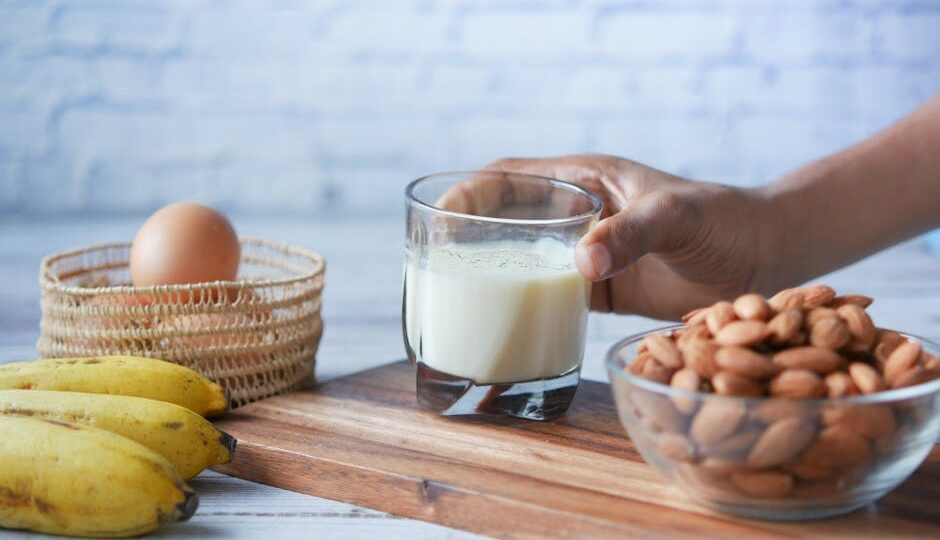
What is Nutrient Pairing?
Nutrient pairing revolves around the idea that some nutrients, when combined, enhance each other’s absorption and effectiveness in our bodies. This isn’t a trend; it’s a science-backed approach that can transform the way you eat and, more importantly, how your body utilizes the nutrients from your food. In 2026, as we delve deeper into personalized nutrition, understanding nutrient pairing is becoming an essential part of a healthy lifestyle.
Why Combining Nutrients Matters
Our digestive systems are complex, and not all nutrients are readily absorbed. Some require the presence of others to maximize their benefits. For instance, fat-soluble vitamins like A, D, E, and K need dietary fats for optimal absorption. Similarly, certain minerals can interfere with each other’s absorption if consumed in excess without the right partners. By mastering nutrient pairing, you can ensure that you’re not just eating healthy foods, but truly getting the most out of them.
Essential Nutrient Pairing Examples
- Iron and Vitamin C: Iron, especially from plant sources, is notoriously hard to absorb. Pairing iron-rich foods like spinach or lentils with vitamin C-rich foods like bell peppers or citrus fruits can increase absorption significantly. Think of a spinach salad with slices of orange for a delicious, nutrient-packed combo.
- Calcium and Vitamin D: Calcium is crucial for bone health, but without vitamin D, absorption is suboptimal. Foods like fortified plant milks or fatty fish naturally combine these nutrients. Alternatively, pair a sunny outdoor walk with a calcium-rich snack like almonds or tofu.
- Fats and Fat-Soluble Vitamins: A simple drizzle of olive oil on your salad can enhance the absorption of vitamins A, D, E, and K from your veggies. Think about adding avocado or a handful of nuts to your meals for an easy nutrient boost.
- Magnesium and B Vitamins: Magnesium helps activate B vitamins, which are vital for energy production. A quinoa bowl topped with leafy greens and a sprinkle of seeds can provide this powerful pairing.
Foods to Avoid Pairing
While pairing can enhance absorption, certain combinations can hinder it. Calcium can interfere with iron absorption, so it’s best to avoid consuming large amounts of dairy when you’re eating iron-rich meals. Similarly, tannins found in tea can inhibit iron absorption, making it wise to enjoy your tea separate from your meals.
Practical Tips for Incorporating Nutrient Pairing
Incorporating nutrient pairing into your daily routine doesn’t have to be complicated. Start by making simple swaps and additions. When preparing meals, consider the balance of nutrients and how they interact. Cooking with diverse ingredients not only enhances flavor but also boosts nutrient intake and absorption. Keep in mind that variety is key. Eating a wide range of foods ensures that you naturally pair nutrients without even thinking about it.
Making the Most of Nutrient Pairing
As you experiment with nutrient pairing, remember that food should be enjoyable. It’s about enhancing your meals, not overcomplicating them. The beauty of nutrient pairing is its simplicity and the immediate health benefits it brings. By being mindful of how nutrients interact on your plate, you can make significant strides in your overall wellness. The next time you shop or cook, think about these simple pairings to make your meals both delicious and nutritious.
Takeaway
In 2026, as we continue exploring advanced nutritional strategies, nutrient pairing stands out as an effective way to enhance health through diet. By understanding and applying these principles, you unlock the full potential of your food, paving the way for a healthier, more vibrant life.