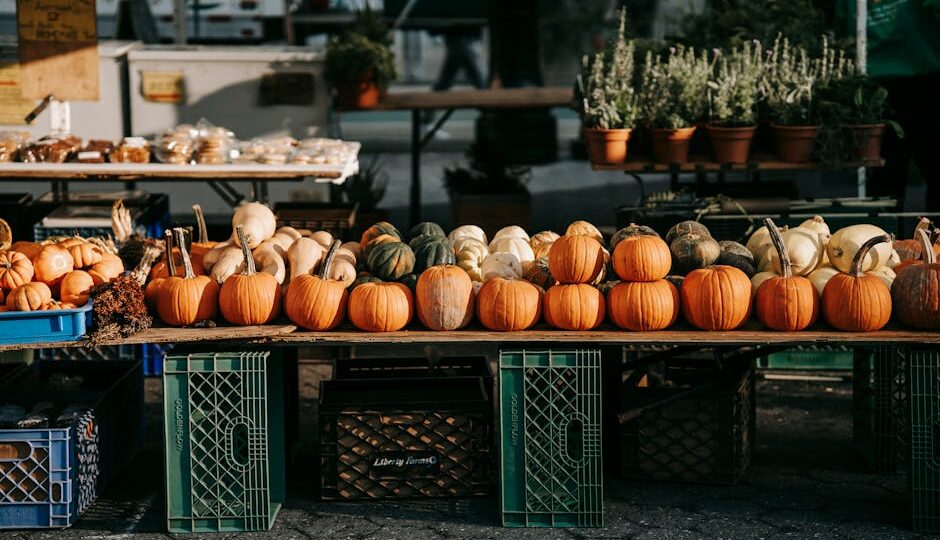
Why Seasonal Eating Matters More Than Ever
As we step into 2026, the emphasis on sustainable living and mindful eating has never been stronger. One of the most impactful ways to align with these values is through seasonal eating. This age-old practice is not just about enjoying strawberries in summer or pumpkins in fall. It’s a holistic approach that benefits both your health and the planet.
Studies have shown that consuming seasonal produce can significantly reduce your carbon footprint. By choosing fruits and vegetables that are locally available, you cut down on the energy and emissions associated with transporting non-seasonal goods across the globe. Beyond environmental benefits, seasonal produce often boasts higher nutritional values, as they are harvested at peak ripeness.
The Nutritional Edge of Eating with the Seasons
Have you ever noticed how juicy a tomato can be in August or how flavorful an apple tastes in October? This burst of flavor isn’t just a sensory delight; it’s a signal of peak nutritional content. Research from the University of California, Davis, highlights that produce picked at their peak often contains higher levels of vitamins, minerals, and antioxidants.
For instance, winter greens like kale and Brussels sprouts are rich in vitamin C, a critical nutrient during the colder months to ward off colds and boost immunity. Meanwhile, summer berries such as blueberries and raspberries are packed with antioxidants that help combat sun-induced oxidative stress. When you eat seasonal, you’re giving your body exactly what it needs at precisely the right time.
Seasonal Eating and Local Economies
Supporting local farmers by eating seasonally is a direct investment in your community. In regions like California’s Central Valley or the plains of Iowa, farmers markets thrive due to the unparalleled variety and quality of local produce. By purchasing from local markets, you’re not only getting fresher ingredients but also contributing to a sustainable local economy.
According to a report by the USDA, regions that support local agriculture experience a 13% increase in local economic activity. This means more jobs, better local infrastructure, and a thriving community. It’s a win-win that’s hard to ignore.
How to Start Eating Seasonally: A Practical Guide
Adopting a seasonal eating plan doesn’t have to be daunting. Begin by familiarizing yourself with the seasonal produce available in your area. Many online resources and apps can help, such as the Seasonal Food Guide app, which offers state-specific information on what’s fresh and available.
- Visit Farmers Markets: Engage with local farmers and ask about their harvesting schedules. Most are more than happy to share cooking tips and recipes.
- Join a CSA (Community Supported Agriculture): These programs deliver fresh, seasonal produce directly to your door. It’s an excellent way to try new ingredients and recipes.
- Preserve the Season: Canning, freezing, and pickling are fantastic methods to enjoy seasonal flavors all year round. Imagine enjoying a jar of homemade strawberry jam in the dead of winter!
Integrating Seasonal Foods into Your Diet
Integrating seasonal foods doesn’t mean a complete dietary overhaul. Start small by swapping ingredients in your favorite recipes. If you love salads, try using fresh spring greens during the warmer months and robust root vegetables in winter. Soups and stews can easily be adapted with whatever is fresh and available.
Moreover, seasonal eating encourages culinary creativity. It’s an invitation to experiment in the kitchen and discover new flavor combinations that you may not have considered before. By eating seasonally, you deepen your connection with nature and the passing of time.
At its core, seasonal eating is about embracing abundance and diversity. It’s a celebration of nature’s ever-changing bounty and a commitment to nurture your body with the freshest, most vibrant foods possible.