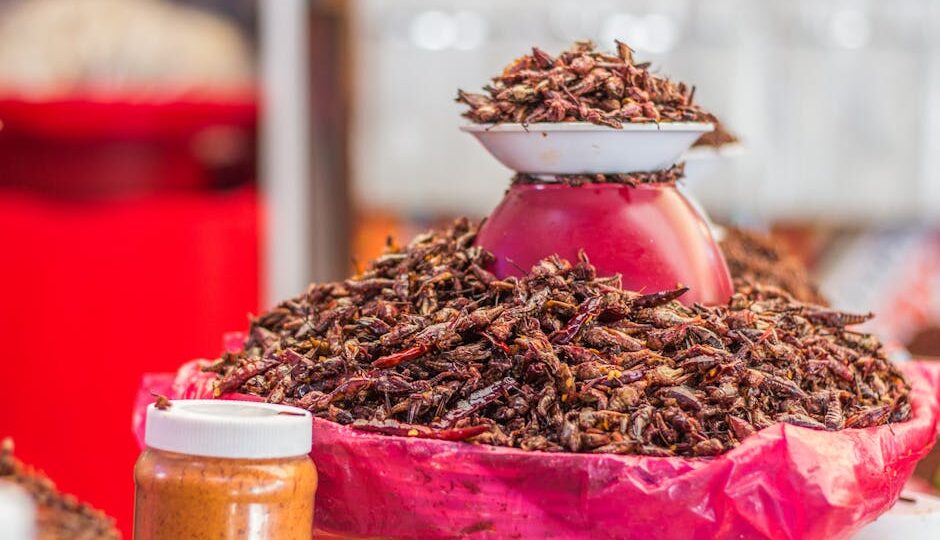
The Rise of Edible Insects in Global Cuisine
In 2026, the culinary world is abuzz with the inclusion of an unexpected protein source: edible insects. From the bustling street markets of Bangkok to upscale restaurants in New York City, these tiny creatures are making a big impact. While the thought of eating insects might make some people squeamish, it’s actually a practice that’s been embraced in many cultures for centuries. With a growing global population and the increasing need for sustainable food sources, edible insects are emerging as a viable solution.
The Nutritional Powerhouse
Why are insects gaining so much attention? For starters, they pack a nutritional punch. Crickets, for example, contain about 60% protein by weight, compared to beef’s 31%. They’re also rich in essential amino acids, omega-3 fatty acids, and vital micronutrients like iron and zinc. Plus, insects contain fiber in the form of chitin, which is beneficial for gut health. This makes them a unique combination of protein and fiber — a rarity in most animal proteins.
Environmental Benefits: The Sustainable Choice
One of the biggest draws of insect consumption is its minimal environmental footprint. Traditional livestock farming is resource-intensive, contributing significantly to greenhouse gas emissions and deforestation. In contrast, insects require far less land, water, and food to produce. For example, crickets need 12 times less feed than cattle to produce the same amount of protein. Moreover, they emit negligible amounts of methane. As the threat of climate change looms larger, shifting toward low-impact food sources like insects could have substantial environmental benefits.
Overcoming the ‘Yuck’ Factor
Despite their benefits, the idea of eating insects still elicits a strong ‘yuck’ response, particularly in Western cultures. However, this sentiment is slowly changing. Chefs and food entrepreneurs are at the forefront of this transformation, finding creative ways to incorporate insects into palatable dishes. From cricket flour used in baked goods to mealworm tacos and locust burgers, there’s a growing array of options that mask the insect origins while delivering their nutritional benefits. Moreover, education plays a crucial role in shifting perceptions. Programs that highlight the sustainability and nutritional advantages of insects are gradually turning the tide.
Practical Tips for Trying Edible Insects
- Start Small: If you’re new to eating insects, begin with products like cricket protein bars or snacks, which are widely available and offer a mild introduction.
- Explore Diverse Cuisines: Visit restaurants that feature insect-based dishes to experience how chefs creatively incorporate them into their menus.
- DIY Approach: Consider trying simple recipes at home. Cricket flour can be substituted for a portion of regular flour in baked goods without altering flavor or texture significantly.
- Join the Community: Engage with online forums and communities dedicated to entomophagy to share experiences and gain insights.
Takeaway: Embracing the Future of Food
Edible insects offer a promising avenue for a more sustainable and nutritious future. While the shift may seem daunting to some, it opens up a world of culinary possibilities and environmental benefits. As we continue to seek solutions to global food challenges, embracing this unique protein source could be a key strategy. So, why not give it a try? You might just find that these little critters are the future of food.