The Future of Sustainable Eating: How to Make a Difference
As we stand on the threshold of new culinary possibilities in 2026, the conversation around sustainable eating has never been more vibrant or more essential. With climate change, biodiversity loss, and food insecurity posing significant challenges, the way we produce, distribute, and consume food is under scrutiny. The good news? There’s a tide of change sweeping across kitchens, restaurants, and food markets worldwide.
Local Sourcing: A Return to Community Roots
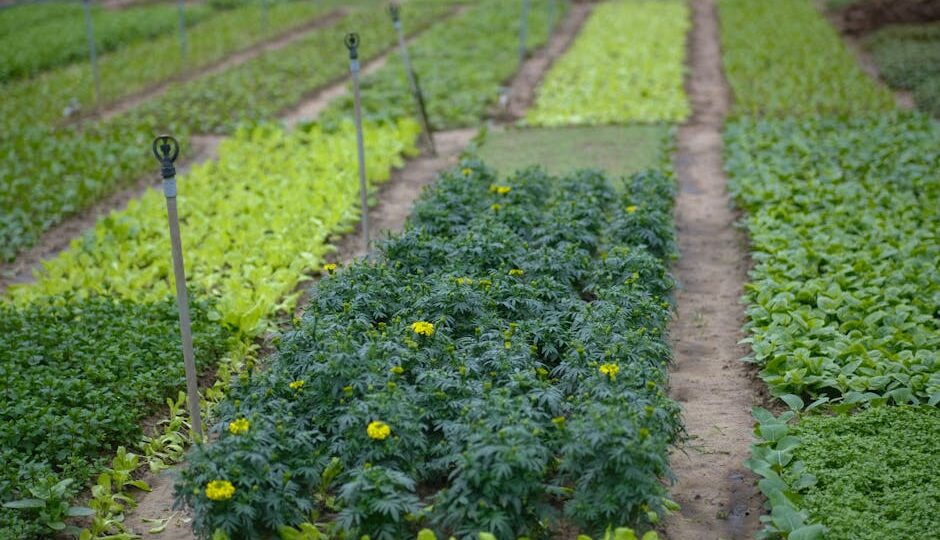
One of the key pillars of sustainable eating is local sourcing. By prioritizing local produce, we not only reduce the carbon footprint associated with transporting food over long distances, but also support local economies and promote community resilience. In cities like Portland and Minneapolis, farmers’ markets are bustling hubs, providing seasonal produce directly from farm to table. This trend helps consumers eat fresher, more nutritious food while sustaining local farmers.
Moreover, initiatives like New York City’s ‘Greenmarket’ have inspired similar models elsewhere, emphasizing the importance of reconnecting urban dwellers with the agricultural communities that surround them. This symbiotic relationship fosters a deeper understanding of food origins and helps preserve regional food traditions.
Plant-Based Innovation: Beyond Tofu and Tempeh
The plant-based revolution is no longer confined to tofu or tempeh. With technology advancing, plant-based alternatives to meat and dairy are becoming ever more sophisticated and satisfying. Companies like Impossible Foods and Beyond Meat have paved the way, but the innovation doesn’t stop with them. 2026 has seen the emergence of lab-grown meats that are not only indistinguishable in taste and texture from their animal counterparts but also far less resource-intensive.
These innovations are critical, considering that livestock contributes to approximately 14.5% of global greenhouse gas emissions. Transitioning to a diet rich in plant-based foods can significantly reduce our ecological footprint, and with the advent of appealing substitutes, this shift is becoming more palatable to the masses.
Food Waste Reduction: Efficiency at Every Level
Approximately one-third of food produced globally is wasted, translating to about 1.3 billion tons annually. This wastage has profound environmental and economic repercussions, but innovative strategies are emerging to tackle this issue head-on. For instance, apps like Too Good To Go and Olio connect consumers with surplus food from restaurants and shops, offering it at a discounted price.
In addition, businesses are optimizing inventory management using artificial intelligence to predict demand more accurately, thus minimizing overproduction. At home, consumers are increasingly utilizing tools like smart fridges, which help track expiration dates and suggest recipes based on available ingredients, drastically slashing household food waste.
Urban Agriculture: Farming in the Concrete Jungle
As urban populations swell, the need for sustainable food systems within city limits becomes more pressing. Enter urban agriculture. Rooftop gardens, vertical farms, and hydroponic systems are sprouting in metropolises like Singapore, Tokyo, and Chicago. These initiatives not only provide fresh produce in urban food deserts but also improve air quality and reduce urban heat.
Companies like Plenty and AeroFarms have pioneered vertical farming, where crops are grown indoors in stacked layers, using less water and land compared to traditional agriculture. This approach not only maximizes space in densely populated areas but also ensures a year-round supply of fresh produce, unencumbered by weather or seasons.
Cultural and Dietary Inclusivity: Embracing the Global Palate
The sustainable eating movement is also about diversity and inclusivity. It celebrates foods from various cultures, recognizing that a varied diet is not only beneficial for health but also for sustainability. Incorporating grains like quinoa from South America, teff from Ethiopia, and millet from India diversifies food systems, reducing reliance on a narrow selection of crops like wheat, corn, and soy.
This inclusivity extends beyond ingredients to embrace dietary needs and preferences. As global awareness of dietary restrictions and choices grows, restaurants and food producers are offering more inclusive options, ensuring that everyone—regardless of diet—can contribute to and benefit from sustainable eating practices.
How You Can Make a Difference
Adopting sustainable eating habits is within everyone’s reach. Start by shopping locally and seasonally, and consider incorporating more plant-based meals into your diet. Become mindful of food waste by planning meals and properly storing leftovers. Support companies and initiatives that prioritize sustainability, and advocate for policies that promote responsible food production and consumption.
By making conscious food choices, you can contribute to a healthier planet and a more equitable food system. Each meal is an opportunity to make a positive impact—let’s savor that responsibility.