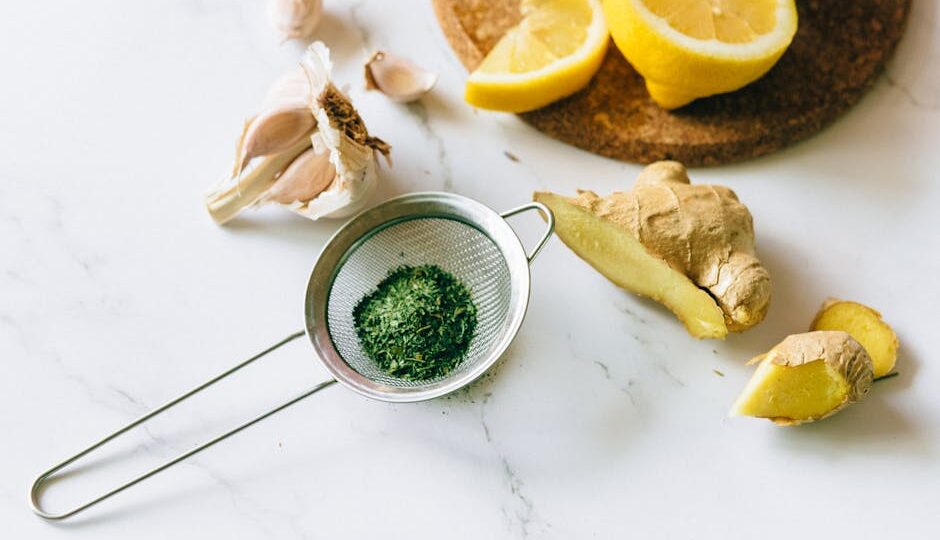
Embrace the Power of Nutrition
Our immune systems are like a well-oiled machine, working tirelessly to keep us healthy. One of the most effective ways to support this system is through the food we consume. Let’s take a closer look at how nutrition can play a pivotal role in boosting your immune system.
A balanced diet rich in fruits, vegetables, whole grains, lean protein, and healthy fats provides the essential nutrients our bodies need. Foods like oranges, strawberries, and bell peppers are packed with vitamin C, a powerful antioxidant known for enhancing immune function. Meanwhile, almonds, sunflower seeds, and spinach offer a good dose of vitamin E, which works in tandem with vitamin C to protect cells from damage.
Don’t underestimate the role of probiotics found in yogurt, kefir, and other fermented foods. They help maintain a healthy gut microbiome, which is crucial since a significant portion of the immune system resides there. Aim for a colorful plate to ensure a variety of nutrients that keep your defenses strong.
Prioritize Quality Sleep
Sleep is more than just a time of rest for our bodies. It’s a critical period during which our immune system gets a reboot. Studies have consistently shown that those who do not get enough quality sleep are more susceptible to illness.
The Centers for Disease Control and Prevention (CDC) emphasizes the importance of 7-9 hours of sleep per night for adults. Sleep aids in the production of cytokines, proteins that target infection and inflammation. Lack of sleep can reduce the production of these crucial proteins, making you more vulnerable to viruses and bacteria.
Establish a regular sleep schedule, create a restful environment, and limit exposure to screens before bedtime to enhance your sleep quality. Don’t forget the timeless advice: treat your bedroom as a sanctuary, reserved for rest and relaxation.
Stay Active for Immune Health
Regular physical activity is a cornerstone of a healthy lifestyle, but did you know it also plays a role in keeping your immune system in top shape? Engaging in moderate exercise, like a brisk walk in Central Park or a cycling session along the San Francisco Bay Trail, can stimulate the circulation of immune cells, enhancing their ability to detect and fend off pathogens.
An active lifestyle doesn’t necessarily mean hitting the gym every day. Incorporating activities you enjoy, like dancing, hiking, or even gardening, can be just as beneficial. The key is consistency. Aim for at least 150 minutes of moderate-intensity exercise each week, as recommended by health experts.
Manage Stress Effectively
Stress is an inevitable part of life, but how we manage it can make a significant difference in our immune resilience. When stressed, our bodies produce cortisol, a hormone that when elevated over long periods, can suppress immune function.
Practicing stress-relief techniques such as mindfulness meditation, yoga, or even a simple 10-minute breathing exercise can significantly lower stress levels. The Mayo Clinic suggests activities like tai chi, which combines physical movement with mental focus and deep breathing, to effectively reduce stress and strengthen your immune response.
Consider also the power of laughter. Yes, laughter! It decreases stress hormones and increases immune cells and infection-fighting antibodies. So, perhaps it’s time to queue up your favorite comedy show or enjoy a night of laughs with friends.
Stay Hydrated
Hydration might not be the first thing that comes to mind when thinking about immunity, but it’s crucial nonetheless. Water is vital for every cell and function in the body, including the immune system. Sufficient hydration ensures that your body can efficiently transport nutrients to cells and remove waste products.
According to the National Academies of Sciences, Engineering, and Medicine, an adequate daily fluid intake is 3.7 liters for men and 2.7 liters for women, including all beverages and foods. Herbal teas, especially those with ginger, turmeric, or chamomile, can provide hydration with a bonus of additional immune-boosting properties.
Listen to your body’s signals, and make sure to increase water intake during exercise, hot weather, or illness to support optimal immune function.
Takeaway: A Holistic Approach to Immunity
Incorporating these strategies into your daily routine can create a robust defense system ready to ward off unwanted invaders. Boosting your immune system naturally is about balance and consistency. Embrace a wholesome diet, prioritize rest, stay active, manage stress, and keep yourself hydrated.
Remember, your health is an investment, not an expense. Take these steps today and reap the benefits of a strong immune system ready to keep you vibrant and well.