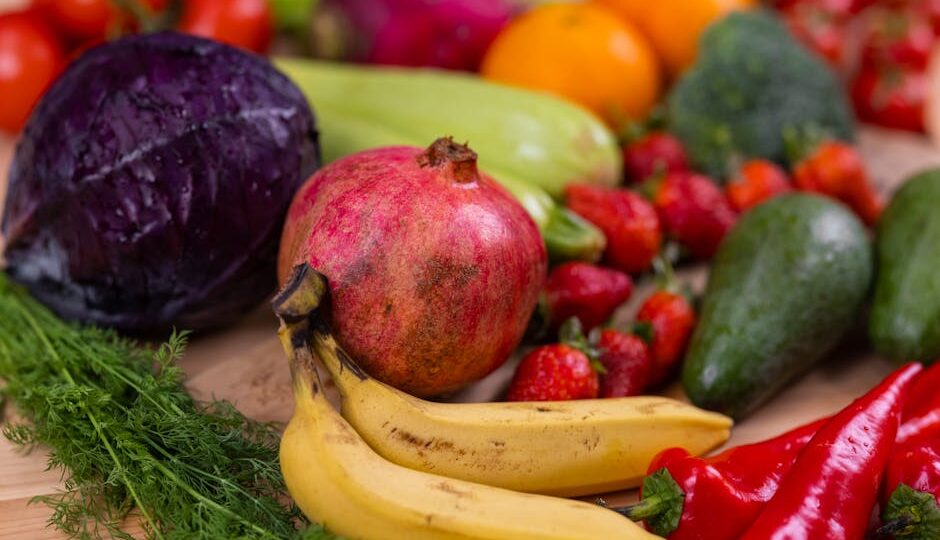
Why Anti-Inflammatory Foods Should Be on Your Plate
It’s no secret that what you eat has a profound impact on your health. What we’ve seen over the last few years is a growing recognition of the link between inflammation and chronic illness. From Nashville to Nairobi, people are turning to anti-inflammatory foods to help ward off illness and maintain overall health.
The Inflammation Dilemma
Inflammation is a double-edged sword. On one hand, it’s a natural and essential part of the body’s healing process. When you cut your finger or catch a cold, inflammation is your body’s way of fighting off harmful invaders and starting the healing process. On the other hand, chronic inflammation is a villain lurking in the shadows, contributing to diseases like arthritis, heart disease, diabetes, and even Alzheimer’s.
Researchers have pinpointed inflammation’s underlying role in these conditions, pushing anti-inflammatory foods to the forefront of dietary recommendations. Understanding the line between helpful and harmful inflammation is crucial, and your diet is a key player.
Key Anti-Inflammatory Foods to Embrace
Adding anti-inflammatory foods to your diet doesn’t require a radical overhaul. In fact, it’s all about making smart choices at the grocery store and in your kitchen. Here are some key categories and examples to consider:
- Berries: Blueberries, strawberries, and raspberries are more than just a sweet treat. Packed with antioxidants, they help fight inflammation at the cellular level.
- Fatty Fish: Salmon, mackerel, and sardines are rich in omega-3 fatty acids, which have been shown to reduce inflammation. Wild-caught varieties, especially from the cold waters off Norway, tend to have higher omega-3 content.
- Leafy Greens: Spinach, kale, and Swiss chard are loaded with vitamins that play a role in reducing inflammation, such as vitamin K.
- Nuts: Almonds and walnuts are not only heart-healthy but also rich in fiber and antioxidants.
- Olive Oil: Extra virgin olive oil is a staple of the Mediterranean diet and its anti-inflammatory properties have been widely documented.
- Turmeric: This golden spice contains curcumin, a compound known for its powerful anti-inflammatory effects. Incorporate it into curries or sprinkle it on roasted vegetables.
- Tomatoes: Rich in vitamin C and lycopene, tomatoes can help to reduce inflammation. Cooked and processed tomatoes, such as those used in sauces, can have increased lycopene availability.
The Global Perspective on Diet and Inflammation
A look around the world reveals different dietary patterns, some of which are naturally anti-inflammatory. The traditional Mediterranean diet, rich in fruits, vegetables, whole grains, and healthy fats, stands out. Residents of Crete, one of the regions where this diet is prevalent, have some of the lowest rates of heart disease globally.
Similarly, the Okinawan diet, followed in Japan, emphasizes sweet potatoes, soy, and fish, and has been associated with longevity and low rates of chronic disease. Learning from these dietary patterns can inspire us to make healthier choices that promote longevity and well-being.
Reducing Processed Foods for Better Health
While adding anti-inflammatory foods is crucial, reducing pro-inflammatory foods is equally important. Processed foods, high in sugars and unhealthy fats, are significant contributors to chronic inflammation. The U.S. sees one of the highest consumption rates of these foods, correlating with the increase in chronic health issues over recent decades.
Simple swaps can make a substantial difference. Opt for whole grains over refined ones, and choose fresh fruit over sugary snacks. These changes can decrease inflammation and improve both physical and mental health.
Practical Ways to Integrate Anti-Inflammatory Foods into Your Diet
So how do you incorporate these foods into your daily routine? Start small and build up. Here are some practical tips:
- Breakfast Boost: Add a handful of berries to your morning oatmeal or yogurt. Consider adding chia seeds or ground flaxseeds for an additional omega-3 boost.
- Lunchtime Makeover: Swap out processed meats for a salad topped with tuna or mackerel. Use olive oil and vinegar to dress your salads instead of cream-based options.
- Dinnertime Switch: Introduce more plant-based meals. A chickpea and spinach curry with turmeric can be satisfying and anti-inflammatory.
- Snack Wisely: Reach for a small handful of almonds or walnuts instead of chips or sweets.
By taking these steps, you’ll be on your way to a healthier lifestyle, with your body thanking you for every bite.