Unlocking the Magic of Spice Blends
In 2026, the culinary world is undergoing a savory revolution. From bustling cities like San Francisco to charming towns such as Asheville, more people are discovering the transformative power of spices in their cooking. It’s not just about adding heat or flavor; spices are taking center stage as health-boosting ingredients. As we explore this exciting trend, let’s delve into how you can use spice blends to enhance your meals and well-being.
Why Spice Blends Are Essential
Spice blends are more than a mix of aromatic ingredients; they are a symphony of flavors that can turn a mundane dish into something extraordinary. But their benefits don’t stop at taste. Spice blends like Ras el Hanout from North Africa or Garam Masala from India are packed with antioxidants, anti-inflammatory properties, and essential nutrients. These blends bring together a combination of spices that deliver health benefits often overlooked.
Consider turmeric, a key ingredient in many blends. Known for its potent anti-inflammatory effects, it can help reduce chronic inflammation, a common factor in many diseases. Incorporating such blends into your meals can be an easy and delicious way to boost your health.
Easy Spice Blends to Try at Home
- Za’atar: A Middle Eastern classic, this blend of sumac, sesame seeds, and thyme adds a zesty touch to anything from roasted vegetables to grilled chicken. The sumac provides a tangy flavor while offering antioxidants to your diet.
- Herbes de Provence: Originating from France, this blend brings together lavender, rosemary, and thyme to create an aromatic seasoning perfect for stews and roasted meats. These herbs are known for their digestive benefits.
- Berbere: This Ethiopian blend is a spicy mix containing chili peppers, ginger, and fenugreek. It’s an excellent way to add heat to a dish while benefiting from fenugreek’s ability to control blood sugar levels.
How to Incorporate Spice Blends into Your Diet
Starting with spice blends might seem daunting, but it’s easier than you think. Here’s how you can seamlessly incorporate them into your daily cooking routine:
- Experiment with Rubs: Use spice blends as a dry rub for meats and vegetables. This not only enhances the flavor but also locks in the natural juices, making your meals more succulent.
- Infused Oils: Create your own infused oils by adding spice blends to olive oil. Drizzle over salads, pasta, or use as a dipping sauce for bread for an added flavor punch.
- Savory Snacks: Sprinkle your favorite blend over popcorn or roasted nuts for a healthy snack alternative.
The Global Influence of Spice Blends
Traveling the world through your kitchen is now more accessible than ever thanks to spice blends. Each blend carries its own cultural heritage, allowing you to explore global cuisines without leaving your home. Indian curries, Moroccan tagines, and Thai soups all rely heavily on spice blends for their distinctive flavors.
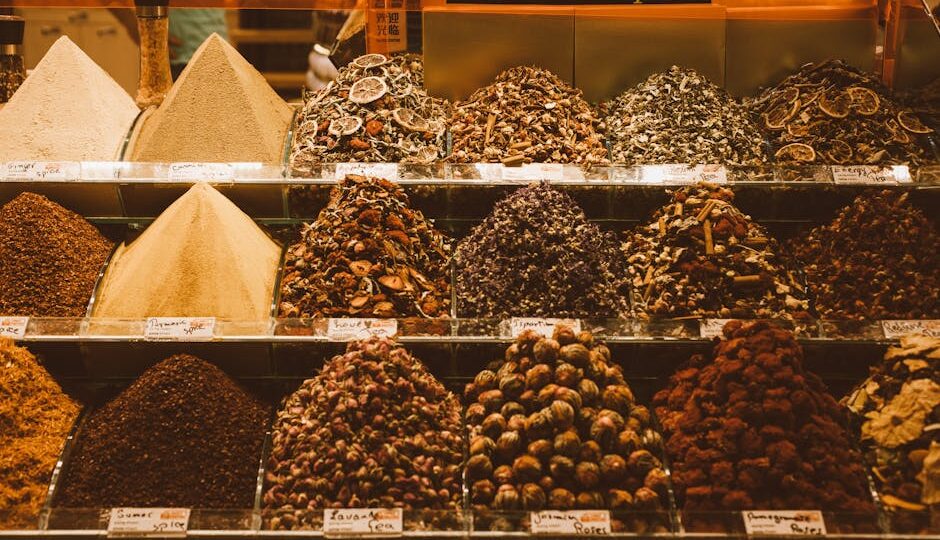
Visiting local spice markets, like Seattle’s Pike Place Market, can add a new dimension to your culinary adventures. These places not only offer a variety of fresh blends but also provide insights into their traditional uses and health benefits.
Takeaway: Spice Up Your Health
The allure of spice blends goes beyond just flavor. It’s about enriching your diet with nutrients and adding an exciting twist to your cooking. As you experiment with different combinations, you’ll find that the possibilities are endless. So next time you prepare a meal, reach for a spice blend. Not only will your taste buds thank you, but your body will too.