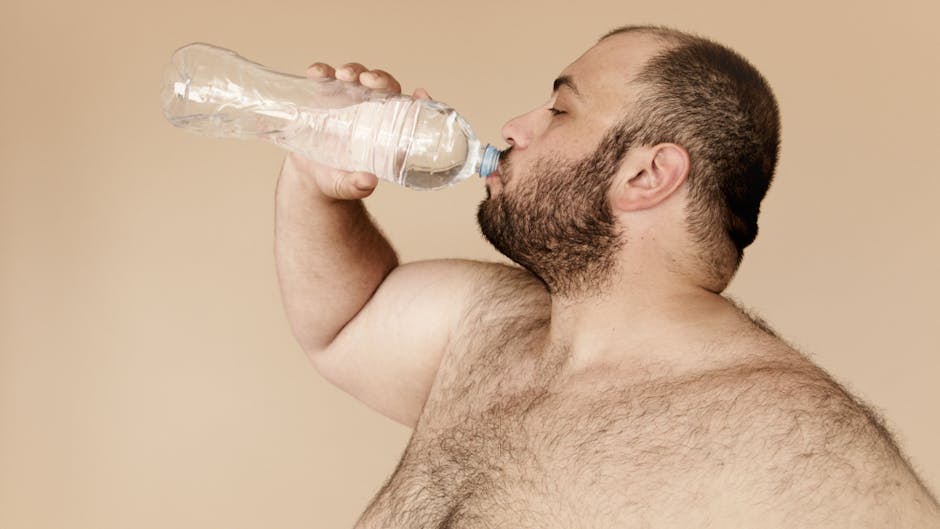
Why Hydration is More Important Than Ever for 2026
As we stride confidently into 2026, the conversation around health and wellness continues to evolve. Among the myriad of topics vying for our attention, one might not expect hydration to stand out. Yet, it does and for good reason. Water is, quite literally, the essence of life. But why is it gaining more prominence now than ever before? Let’s delve deep into the reasons.
Climate Change: A Thirst We Can’t Ignore
In recent years, the effects of climate change have become undeniable, with rising global temperatures affecting our bodies in profound ways. 2026 has seen some of the hottest years on record, with cities like Phoenix, Arizona, and Madrid, Spain, regularly hitting temperatures well above 100°F during summer months. Such heat increases our need for hydration as our bodies work overtime to maintain a stable internal temperature.
Moreover, air pollution due to climate phenomena has increased, with cities across the globe witnessing higher smog levels. This pollution not only affects the air we breathe but also dehydrates our skin and respiratory system, making water intake more critical than ever.
The Rise of Digital Workspaces
The digital transformation wave, accelerated by the pandemic, has become a permanent fixture. With more people working from home or in hybrid setups, screens have become ubiquitous. This increased screen time can lead to digital eye strain, often exacerbated by inadequate hydration. As we stare at computers for hours, we blink less frequently, leading to dry eyes and fatigue.
Drinking water helps maintain eye moisture and overall alertness, a necessity given our screen-centric work environments. Furthermore, hydration plays a pivotal role in mitigating the sedentary lifestyle many have adopted, assisting with metabolism and energy levels.
Nutrition and Hydration: A Symbiotic Relationship
Hydration and nutrition are closely linked, and as dietary trends evolve, so too does our understanding of their relationship. The rise of plant-based diets, embraced by millions for their environmental and health benefits, has brought attention to water-rich foods. Fruits like watermelons, cucumbers, and oranges are now staples in many diets, offering not just nutrients but hydration.
Additionally, the ketogenic diet, which remains popular in 2026 for its weight loss benefits, can cause dehydration due to increased urination. Those on keto need to be particularly mindful of their water intake to prevent dizziness and maintain their electrolyte balance.
Technological Innovations in Hydration
The tech world hasn’t been silent on this front. Smart water bottles are now commonplace, with brands like HidrateSpark and Moikit leading the charge. These bottles sync with apps to monitor your daily water intake, reminding you to drink up with gentle nudges. In 2026, the market has seen enhancements like personalized hydration goals based on age, weight, and activity level, making tech an ally in our hydration journey.
Even wearables have entered the scene, with devices like the Apple Watch now capable of monitoring hydration levels along with heart rate and oxygen saturation. This integration of hydration metrics into everyday tech ensures that water consumption remains top of mind.
Understanding Dehydration: More Than Just Thirst
Often, we underestimate the signs of dehydration, attributing fatigue or headaches to other causes. However, as research expands, we’ve come to understand that dehydration can manifest in numerous subtle ways, including mood swings, lack of concentration, and even joint pain.
With 75% of the brain composed of water, even mild dehydration can impair cognitive function. This understanding has permeated educational institutions, where schools now prioritize hydration in classrooms, recognizing its direct impact on learning.
Practical Tips for Staying Hydrated in 2026
- Embrace the Hydration Apps: Use apps to set reminders and track your intake. Consistency is key.
- Incorporate Water-Rich Foods: Make a conscious effort to include fruits and vegetables with high water content in your meals.
- Invest in Smart Drinkware: Consider purchasing a smart water bottle to keep your hydration goals on track.
- Listen to Your Body: Pay attention to early signs of dehydration like dry mouth or fatigue, and act promptly.
- Stay Educated: Keep abreast of the latest studies and recommendations around hydration.
In 2026, the call for better hydration isn’t just about quenching thirst. It’s about aligning with our environment, our technologies, and our bodies’ evolving needs.