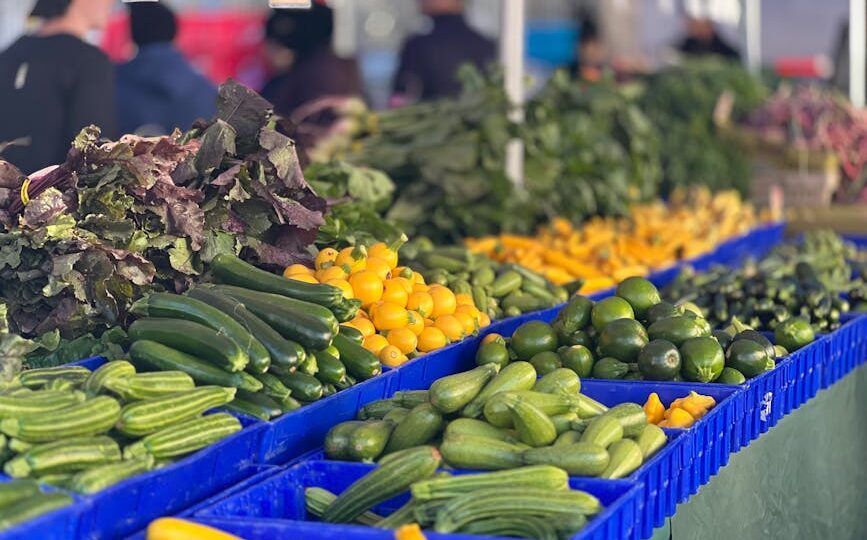
Understanding Seasonal Eating
Eating seasonally is more than just a trend; it’s a return to our roots, a way of harmonizing with nature’s rhythms. Seasonal eating means consuming fruits and vegetables that are naturally ready for harvest in your area at any given time of year. This practice encourages us to enjoy produce at its peak flavor and nutritional value while supporting local agriculture.
Take apples, for instance. In the autumn months in regions like New York, apples are bountiful, juicy, and packed with nutrients. Conversely, trying to get the same quality apple in the middle of spring means either compromising on taste or relying on imported varieties that have traveled thousands of miles, losing freshness and nutritional potency along the way.
The Nutritional Benefits of Seasonal Eating
Consuming produce that is in season comes with an array of health benefits. Seasonal vegetables and fruits have higher levels of vitamins, minerals, and antioxidants. For example, summer tomatoes in Italy are richer in vitamin C and lycopene compared to their off-season counterparts. This is because natural ripening under the sun enhances nutrient concentration.
Moreover, seasonal produce is less likely to require preservatives or excessive packaging, reducing exposure to potentially harmful chemicals. Eating seasonally can lead to a cleaner diet and stronger immune system, as you’re consuming food in its purest form.
Environmental and Economic Impact
Beyond health, seasonal eating also benefits the environment and local economies. By choosing to purchase produce grown nearby, you reduce the carbon footprint associated with long-distance transportation and storage. This shift not only supports sustainability but also aligns with eco-friendly practices that are becoming increasingly important as we face global climate challenges.
Economically, buying local seasonal produce helps strengthen community farms. In areas like California’s Central Valley, seasonal markets offer direct support to local farmers, ensuring their survival and prosperity. This has a ripple effect, boosting regional economies and reinforcing sustainable agricultural practices.
The Joy of Variety
Seasonal eating introduces a natural variety into our diets. Each season comes with its own unique palette of flavors and textures, encouraging us to explore new recipes and culinary traditions. Winter might bring hearty squashes and citrus fruits, while spring offers vibrant greens and strawberries.
Incorporating this variety into your meals not only keeps your diet exciting but also ensures a more balanced intake of different nutrients. For instance, spring’s leafy greens are high in folate and iron, while autumn’s root vegetables offer complex carbohydrates and fiber that are essential for energy and digestion.
How to Eat Seasonally
Transitioning to a seasonal diet might seem daunting, but it doesn’t have to be. Start by visiting local farmer’s markets where you can find fresh, vibrant produce that reflects the current season. In cities like Portland, Oregon, farmer’s markets are abundant, offering an array of local, seasonal options.
- Get to Know Your Seasons: Familiarize yourself with what grows in your region and when. Many agriculture extension offices offer seasonal guides that can be incredibly helpful.
- Plan Your Meals: Incorporate seasonal produce into your weekly meal planning. This not only diversifies your diet but also ensures you’re getting the freshest ingredients.
- Preservation: Learn preservation techniques such as canning, freezing, or drying to enjoy seasonal produce year-round.
Practical Takeaway
Eating seasonally is an empowering choice that fosters a connection with your environment and community. It enhances your health by providing nutrient-rich, fresh produce and elevates your culinary experiences with a richer variety of flavors and textures. Begin by exploring your local farmer’s market, talking to growers, and reimagining your meals around the bounty each season brings. This mindful approach to eating can revolutionize not just your diet but your overall lifestyle, bridging health and happiness in one delicious bite.