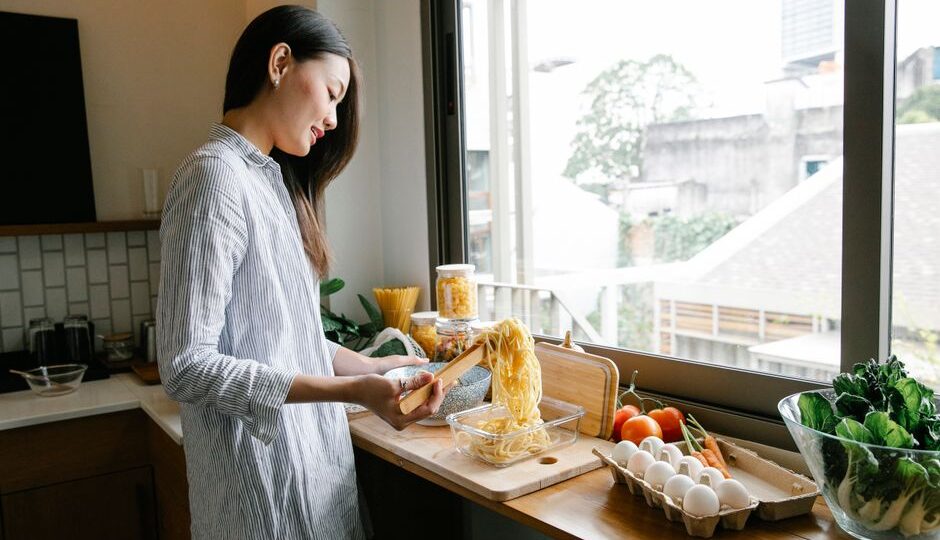
Embracing Conscious Cooking
In 2026, conscious cooking isn’t just about following recipes. It’s about embracing a holistic approach to meal preparation that considers health, sustainability, and mindfulness. Incorporating this philosophy into your culinary endeavors can transform not just your meals, but also your approach to life. Let’s dig into what conscious cooking entails and how you can begin this transformative journey.
Quality Over Quantity: Selecting Your Ingredients
One of the foundational principles of conscious cooking is focusing on the quality of ingredients. This means choosing organic, local, and seasonal produce whenever possible. Not only does this support local farmers, but it also ensures that you’re consuming foods that are in their peak nutritional state. Consider visiting farmers’ markets in your area like the Union Square Greenmarket in New York or the Santa Monica Farmers Market in California to source your ingredients. By prioritizing quality, you’re not just nourishing your body, but also reducing your carbon footprint.
The Mindful Preparation Process
Conscious cooking extends beyond ingredient selection to include the preparation process itself. This involves being present and engaged in the act of cooking. Start by setting aside dedicated time to cook without distractions. Turn off your phone, play some calming music, and focus on the task at hand. Consider each step as an opportunity to connect with the food you’re preparing. You might find that chopping vegetables becomes a meditative practice, providing a sense of calm and accomplishment.
Health-Conscious Techniques
In 2026, health-conscious cooking techniques are more accessible than ever. Opt for methods that preserve the nutritional value of your ingredients, such as steaming, grilling, or sautéing with healthy oils like olive or avocado oil. These methods not only enhance flavors but also maintain the integrity of the nutrients. Moreover, incorporating techniques like fermenting can boost the probiotic content of your dishes, benefiting gut health. The key is to experiment and find techniques that resonate with your taste and health goals.
Reducing Waste
Conscious cooking is incomplete without considering the impact of food waste. Be proactive by planning meals that maximize the use of each ingredient. For instance, vegetable scraps can be used to make broth, while fruit peels can be candied or used in composting. Apps like Too Good To Go have made it easier to purchase surplus food from local restaurants at a discount, further helping to reduce waste. By adopting these practices, you’re contributing to a more sustainable food system.
Sharing and Savoring Your Creations
Food is meant to be shared, and conscious cooking is no exception. Invite friends or family to join you in preparing a meal, transforming cooking into a communal experience. Sharing not only enhances personal connections but also provides an opportunity to teach and learn about conscious cuisine. When it’s time to eat, engage all your senses, and savor each bite. Mindful eating increases satisfaction and may even lead to healthier food choices over time.
By embracing these elements of conscious cooking, you’re not just improving your health and diet, but also nurturing your mental well-being and supporting the environment. Every meal becomes an opportunity to reflect, connect, and grow.