The Revival of Ancient Grains: A Nutritional Renaissance
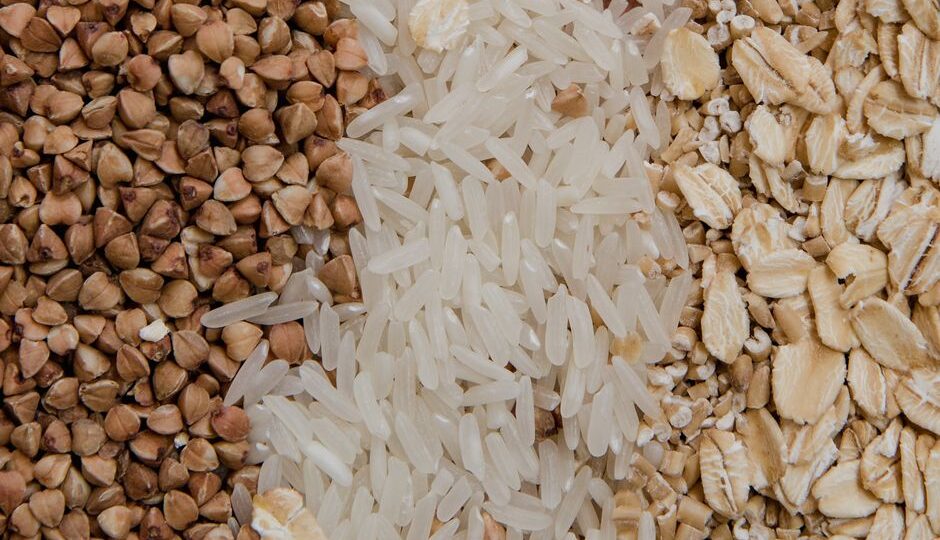
As we advance deeper into the 21st century, the allure of ancient grains is capturing the culinary imagination like never before. These grains, rich in history and nutrients, are making a significant comeback as a staple in modern diets. Quinoa, amaranth, and spelt are just a few that are elevating our tables with their robust flavors and remarkable health benefits. In 2026, these grains are not just a nod to our past but a step forward in conscious eating.
Why Ancient Grains? The Nutritional Goldmine
Ancient grains pack a powerful nutritional punch, offering an impressive array of proteins, vitamins, and minerals. Compared to their heavily processed counterparts, these grains have maintained their structural integrity, which means they retain their nutrient density. For instance, teff, a staple in Ethiopian cuisine, is high in iron and calcium, essential for maintaining healthy bones and blood. Incorporating these grains into your meal plan can significantly boost your intake of essential nutrients without extra effort.
Culinary Diversity: Exploring Global Flavors
One of the most exciting aspects of embracing traditional grains is the opportunity to explore diverse culinary traditions from around the globe. Think of creating a vibrant Moroccan-inspired salad with barley, or dive into a hearty Farro risotto that captures the essence of Italian comfort food. These grains provide a canvas for a world of flavors and textures, making your meals not just nutritious but also an epicurean delight.
Growing Your Own: The Urban Grain Movement
In cities like New York and London, the urban farming movement is gaining momentum, with a unique twist: growing ancient grains. Community gardens and backyard plots are sprouting with heritage varieties, offering urban dwellers a chance to reconnect with nature and their food sources. Growing your own grains can be a rewarding endeavor, providing fresh produce while fostering a deeper understanding of food sustainability. With the right guidance, even a small plot can yield a bountiful harvest of these resilient grains.
Beyond the Plate: Environmental and Economic Benefits
Incorporating traditional grains into our diets extends benefits beyond individual health. These grains are often more resilient to climate changes and require fewer resources to cultivate, making them a sustainable choice in the face of global environmental challenges. Economically, supporting local farmers who grow these heritage crops can help revitalize rural communities and promote biodiversity. By choosing ancient grains, you’re not only nourishing yourself but also contributing to a more balanced ecosystem.
Practical Tips for Incorporating Ancient Grains
Ready to embark on your ancient grain journey? Start by experimenting with small substitutions: replace white rice with nutty quinoa or try using spelt flour for a healthier bread option. Visit local farmers’ markets to find fresh, sustainably grown grains and try out new recipes that highlight their unique flavors. The versatility of these grains means they can be adapted to suit any meal, from breakfast porridge to dinner side dishes.
Takeaway: Embracing traditional grains in 2026 is an enriching journey, offering a wealth of health benefits, culinary adventures, and environmental contributions. By making these grains a staple in your diet, you’re choosing a path of wellness that respects both the past and the future.