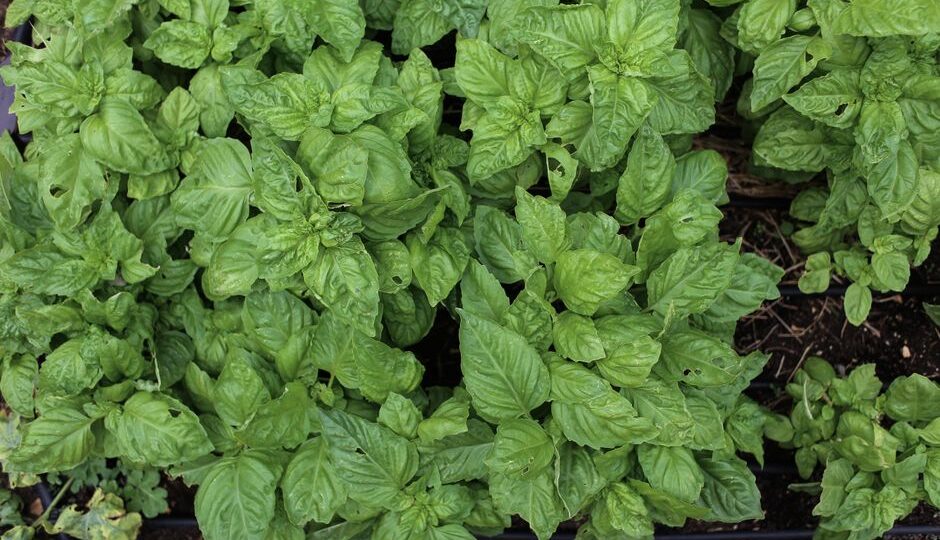
The Resurgence of Culinary Herbs
In 2026, culinary herbs have captivated the attention of wellness enthusiasts and foodies alike. From buzzing markets in Bangkok to the urban gardens of Brooklyn, fresh herbs are sprouting up everywhere. Once relegated as mere garnishes, herbs are now taking center stage, celebrated not just for their flavor but also for their profound health benefits.
The Health Benefits You Can’t Ignore
Herbs are more than just a pop of color in your salad. Packed with vitamins, antioxidants, and essential oils, they offer myriad health benefits. For instance, parsley is not only a great breath freshener but also a powerhouse of vitamin K, supporting bone health. Basil, rich in beta-carotene, can aid in reducing inflammation and promoting cardiovascular health. Meanwhile, rosemary’s antioxidant properties have been linked to improved memory and concentration.
- Thyme: Often overlooked, thyme is a remarkable herb with antiseptic and antibacterial properties. It has been used traditionally to treat respiratory issues and now is celebrated for its immune-boosting capabilities.
- Dill: This feathery herb isn’t just for pickles. Dill contains carvone, which aids in digestion, and its calcium content can promote strong bones.
- Cilantro: Love it or hate it, cilantro is a detoxifying agent, loaded with antioxidants. Its ability to bind with heavy metals makes it an excellent addition to any detox regimen.
Herbs in the Kitchen: A Flavor Revolution
With the growing interest in plant-based diets, herbs have become essential in creating flavorful dishes without relying on salt or processed sauces. Chefs across the globe are innovating, using herbs to infuse oils, create pestos, and even blend them into cocktails.
Consider adding mint to your morning smoothie for a refreshing twist, or sprinkle chives into scrambled eggs for a subtle onion flavor. Herbs like sage and oregano can elevate a homemade pizza, while marjoram can add depth to a hearty stew.
Growing Your Own Herb Garden in 2026
The shift towards sustainability has inspired many to grow their own herbs, even in urban settings. Vertical gardens and hydroponic systems have made it possible to cultivate a variety of herbs in small spaces. Community gardens in cities like Portland and Copenhagen offer workshops on how to nurture your own herb garden, teaching everything from selecting the right soil to harvesting techniques.
For beginners, starting with hardy herbs like rosemary and sage can be rewarding. They require minimal care and can thrive in various environments. As your green thumb develops, consider adding more delicate herbs like basil and cilantro, which need a bit more attention but are incredibly rewarding.
Exploring Global Herb Traditions
Culinary herbs are deeply rooted in cultural traditions. In India, herbs like turmeric and fenugreek are staples in Ayurvedic medicine. The Mediterranean diet, known for its heart-healthy properties, relies heavily on oregano and basil. Exploring these traditions can offer new insights and flavors to your cooking repertoire.
Try incorporating Chinese chives into your stir fry for a garlicky kick or use za’atar, a Middle Eastern spice blend featuring thyme, on grilled meats and vegetables. By experimenting with global herbs, you not only enrich your dishes but also connect with a tapestry of culinary history.
Practical Takeaway: Elevate Your Meals with Herbs
The culinary herb renaissance of 2026 is an invitation to transform your meals and health. Whether you’re growing them in your kitchen or exploring new flavors from around the world, herbs offer an accessible way to enhance your culinary experience and well-being. So, next time you cook, reach for fresh herbs. Your taste buds—and your health—will thank you.