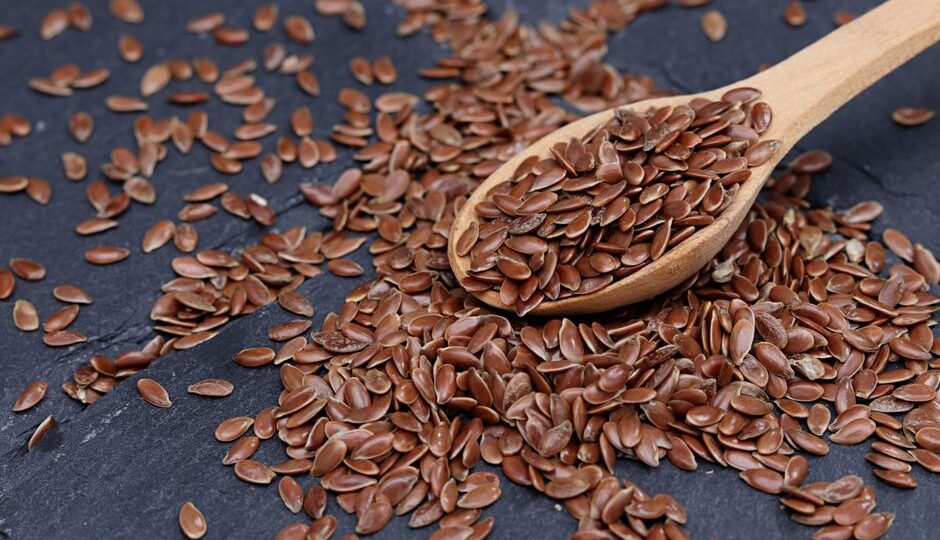
What is Seed Cycling?
Seed cycling is the practice of eating specific seeds during different phases of the menstrual cycle to promote hormonal balance. This concept might sound like the latest wellness buzzword, but it’s actually rooted in traditional holistic practices. The key seeds involved are flax, pumpkin, sesame, and sunflower, each offering unique nutritional benefits that can complement the body’s hormonal rhythms. As we delve into 2026, the popularity of seed cycling is growing, with women seeking natural methods to manage hormonal health.
The Science Behind Seed Cycling
While the scientific research on seed cycling is still evolving, the nutrition behind these seeds is well-established. Flaxseeds, for instance, are rich in lignans, which can mimic estrogen in the body, potentially supporting estrogen balance during the follicular phase (the first half of the cycle). Pumpkin seeds are high in zinc, crucial for progesterone production, which is essential during the luteal phase (the second half). Sesame seeds and sunflower seeds, in the latter half of the cycle, offer lignans and essential fatty acids respectively, supporting hormonal function.
How to Get Started with Seed Cycling
Starting seed cycling is simple, but consistency is key. Begin with one tablespoon each of flaxseeds and pumpkin seeds daily from the start of your menstrual cycle until ovulation (around day 14 for most women). Post-ovulation, switch to one tablespoon each of sesame seeds and sunflower seeds until the start of your next cycle. It’s best to consume these seeds ground for better absorption, and they can easily be added to smoothies, yogurts, or salads.
Real-Life Success Stories
Meet Emily from Austin, Texas, who struggled with irregular periods and hormonal acne. After integrating seed cycling into her routine for three months, Emily noticed more regular cycles and clearer skin. Then there’s Sarah, a 35-year-old mom from New York, who found relief from severe PMS symptoms and mood swings. These stories are not unique; the community of women experiencing benefits from seed cycling is growing, adding personal testimony to the practice’s potential.
Tips for Maximizing Benefits
- Consistency is Crucial: Regularly incorporate seed cycling into your daily diet without skipping days to see results.
- Complement with Diet: Pair seed cycling with a diet rich in whole foods, healthy fats, and lean proteins. Avoid excessive sugar and processed foods to support hormonal balance.
- Track Your Cycle: Use apps or journals to keep track of your cycle and seed consumption. This helps in staying consistent and noticing patterns.
- Consult a Specialist: While seed cycling is generally safe, consulting with a healthcare provider or nutritionist can provide personalized guidance.
Practical Takeaway
If you’re exploring natural ways to manage your hormonal health, seed cycling in 2026 offers a promising and accessible option. By incorporating specific seeds at different times of your cycle, you can potentially support and balance your hormones. Remember, while individual experiences vary, the integration of whole foods and healthy practices can enhance overall well-being. So grab some seeds, get cycling, and discover what this nutritional practice might bring to your health journey.