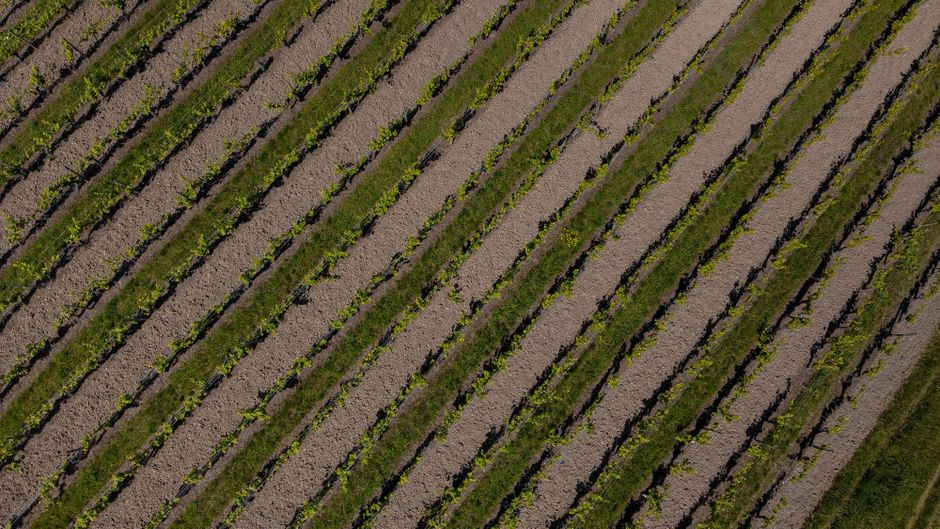
Understanding Regenerative Agriculture
Regenerative agriculture isn’t just another buzzword in 2026—it’s a movement that’s transforming how we grow food, nurture our bodies, and sustain our planet. Unlike conventional farming, which often depletes soil nutrients and relies heavily on synthetic fertilizers and pesticides, regenerative agriculture focuses on rebuilding soil health, enhancing biodiversity, and sequestering carbon. This approach not only improves the land’s capacity to produce healthy foods but also combats climate change by capturing carbon in the soil. Farms in Iowa, the rolling hills of Tuscany, and even urban plots in New York City are adopting these practices, with astonishing results.
The Nutritional Benefits of Regenerative Foods
Foods grown using regenerative methods are packed with nutrients. Healthy soil teems with microorganisms that aid in transferring essential vitamins and minerals to crops. A study conducted by the University of California, Davis in early 2026 highlighted that vegetables grown on regenerative farms contained up to 30% more vitamins A and E than those from conventional farms. The nutrient density of these foods not only enhances our health but also supports our overall well-being, reducing the need for dietary supplements.
Real-World Examples: Pioneers of Regenerative Farming
Farmers and innovators around the world are leading the charge in regenerative practices. In Australia, the Alkira Organics farm has become a case study in successful regenerative livestock management, utilizing rotational grazing to restore soil health and increase pasture diversity. Meanwhile, in California, the Rodale Institute has transformed arid land into fertile plots using cover cropping and no-till methods. These pioneers are not just producing food; they’re creating a blueprint for others to follow, showing that sustainable farming is both viable and profitable.
The Environmental Impact
Regenerative agriculture is a beacon of hope in the battle against climate change. By enhancing soil’s capacity to store carbon, these practices can significantly reduce greenhouse gas emissions. Scientists at the Environmental Defense Fund estimate that if practiced globally, regenerative agriculture could sequester up to 25 gigatons of CO2 over the next 25 years. Additionally, by reducing reliance on chemical inputs, regenerative methods help preserve local ecosystems and water supplies, making them critical to both environmental health and food security.
How You Can Support Regenerative Agriculture
Consumers play a crucial role in promoting regenerative agriculture. By choosing to buy products labeled as ‘regeneratively farmed’, you support farmers who prioritize sustainability and soil health. Farmer’s markets, online platforms like Regenerative Organic Certified, and local co-ops often provide access to these products. Additionally, educating yourself and others about the importance of soil health and sustainable farming practices can drive demand and foster positive change. With a collective effort, we can turn the tide toward a more sustainable and nutritious future.
Your Plate, Your Planet
Incorporating regeneratively farmed products into your diet is more than just a personal choice—it’s a powerful statement. It signifies a commitment to health, sustainability, and the future of our planet. As regenerative agriculture continues to gain momentum in 2026, it holds the promise of nourishing our bodies and healing our Earth. Remember, the choices we make at the grocery store or farmer’s market have far-reaching impacts, from soil to soul.